
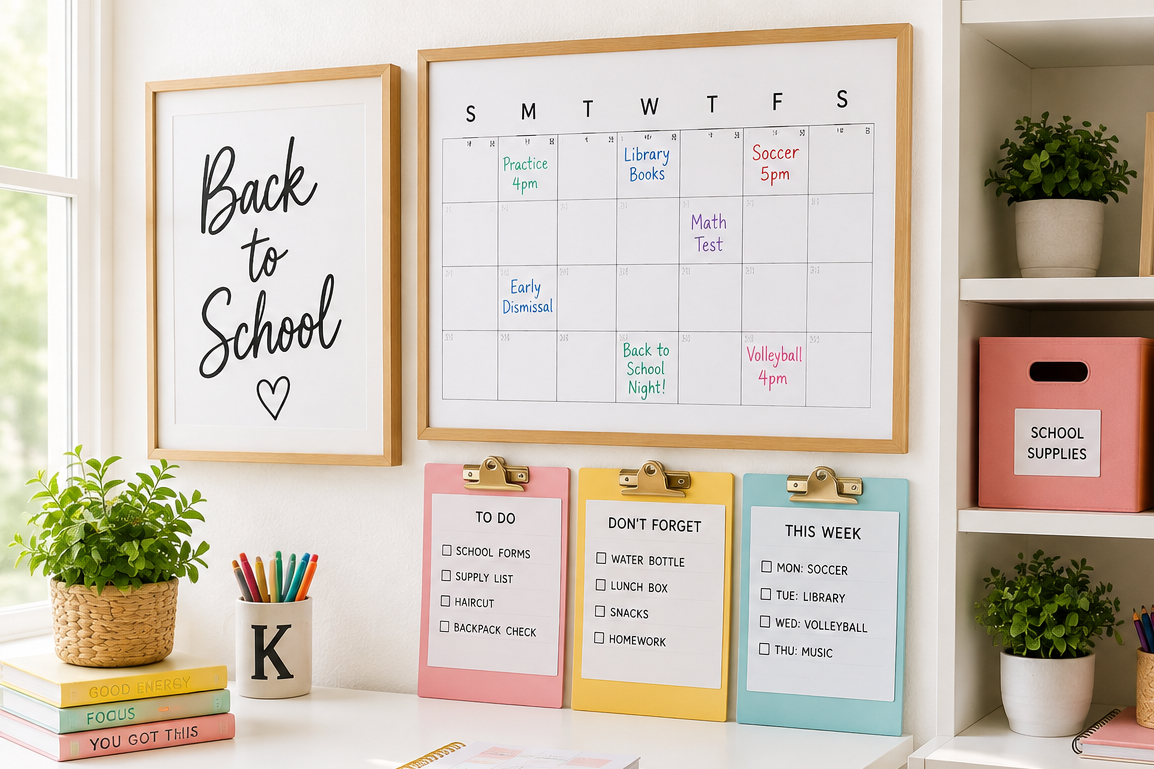
There is something about back-to-school season that always feels like a chance to start fresh.
After the slower rhythms of summer, later mornings, vacations, camps, travel, kids being home, and schedules being a little more flexible. August brings a shift. Calendars begin filling up again, bedtimes get earlier, school supplies start appearing around the house, and families begin preparing for another busy school year.
Whether you are sending a little one off to elementary school, navigating the middle and high school years, or moving a college student into their very first dorm room, one thing remains the same:
Transitions are easier when we create supportive spaces, simple systems and predictable routines.
As a professional organizer and as a mom of a middle-school-aged child, I see firsthand how much our home environment can influence the way our days begin and end.
This back-to-school season, we’ve been helping families restore a little harmony before the school year gets into full swing.
Creating a Home Away From Home: The College Move
One of our favorite projects this season was helping a young college student move into her dorm after relocating from out of state.
College move-in is such a special transition and emotional time for both students and parents. For the student, there is excitement, independence, and anticipation about everything ahead. For parents, there can be an entirely different set of emotions as they help their child take that next big step.
Our goal was to make the transition a little easier for both mom and daughter.
Before move-in day, we collaborated with them to understand how our student wanted her dorm room to look, feel, and function. Because dorm rooms are typically small, every inch matters. We wanted the space to reflect her personality and aesthetic while still giving her the functional organization and storage systems she would need for everyday college life.
We helped source and organize products for both her room and bathroom, identifying solutions that would maximize the limited space without making the room feel crowded. We always prioritize functionality when we organize however in this case it was only part of the plan.
We also helped source décor, wall art, and decorative accessories that reflected the aesthetic she envisioned for her new space. After all, a dorm room isn't simply somewhere to sleep. For many students, it becomes their bedroom, study space, dressing room, gathering place, and little sanctuary away from home all within a few hundred square feet.
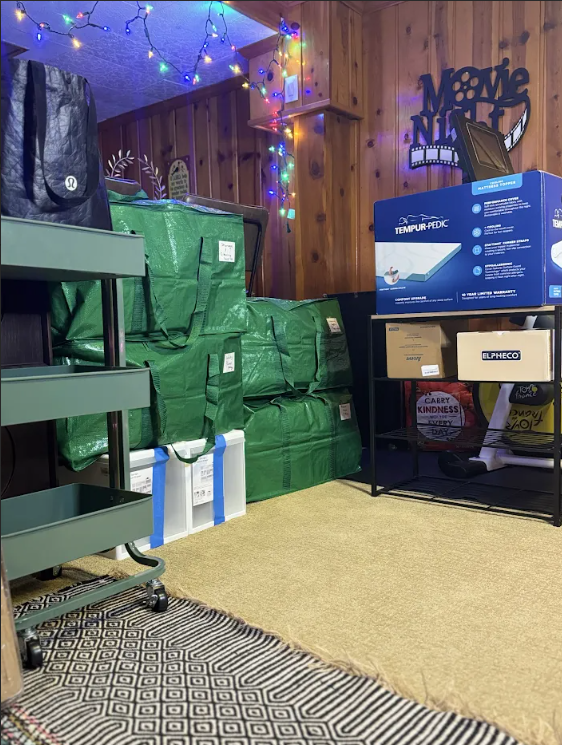
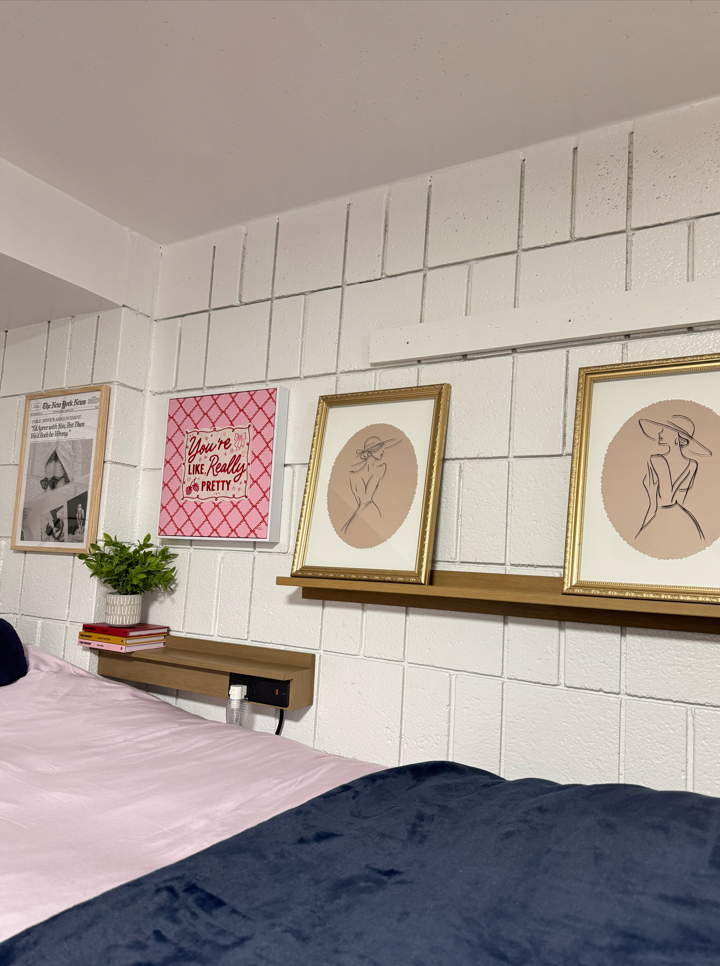
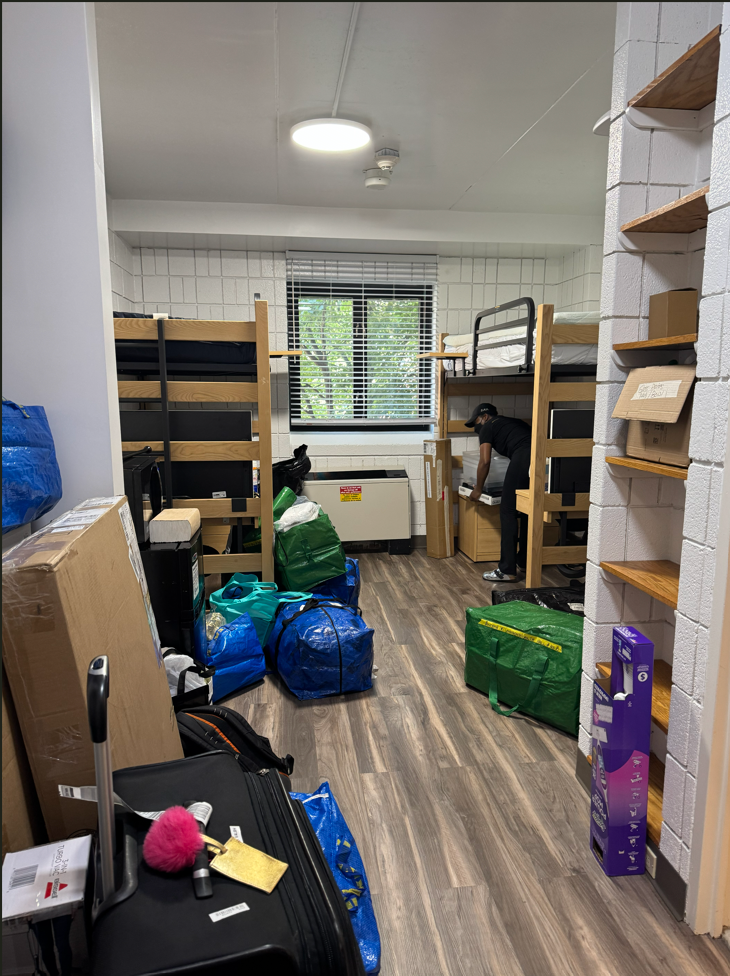
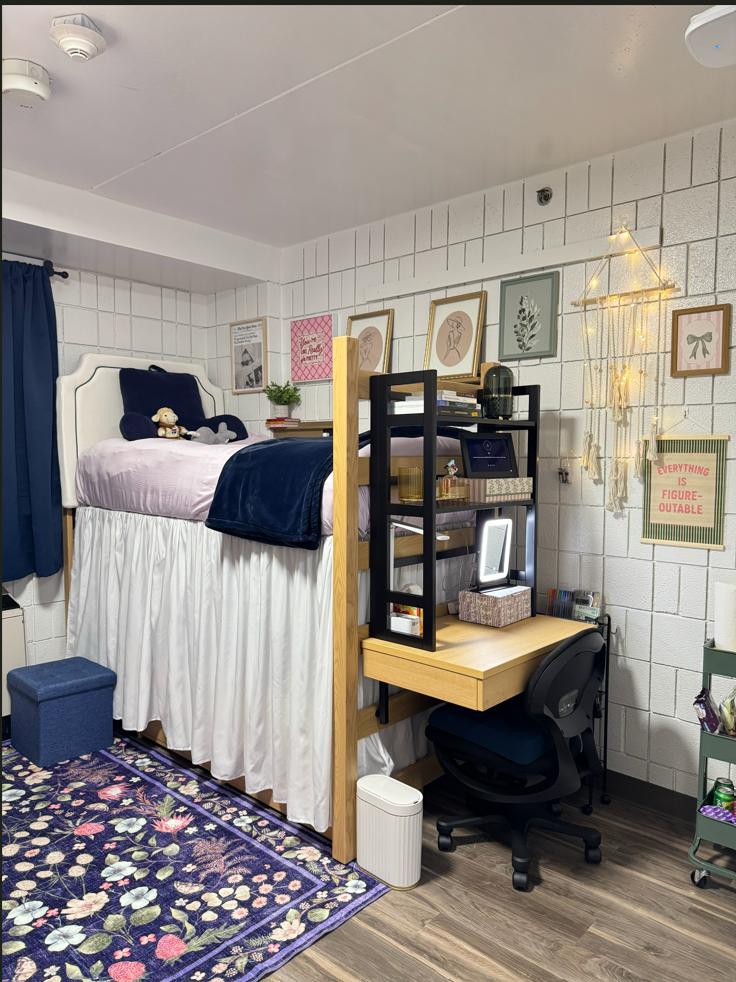
On move-in day, we unpacked, organized, and set everything up so that she wasn't starting out college surrounded by boxes and bags.
Her bathroom essentials were organized and accessible. Clothing and personal belongings had designated homes. Everyday necessities were thoughtfully placed and all decorative accessories and wall art gave the room personality and warmth.
Most importantly, we created simple organizing systems that she would realistically be able to maintain on her own because that's always the goal. An organized space shouldn't require constant effort to keep it organized, the best organizing systems are intuitive enough to become part of everyday life.
Organization Is Especially Important in Small Spaces
Dorm rooms are a perfect example of why organization isn't simply about making something look beautiful. When you're living in a small space, clutter can accumulates quickly without the appropriate right sized storage systems.
A few clothes on the floor, an overflowing laundry basket, toiletries without a designated home, and school supplies scattered across the desk and suddenly a small room can feel overwhelming.
Simple systems can make an enormous difference.
Think vertical storage, under-bed storage, designated laundry zones, drawer system organizers, contained bathroom products, and an uncluttered desk that can easily transition into a study space.
One of my favorite organizing principles is that everything needs a home. When students know exactly where something belongs, putting it away becomes much easier and that's a lesson that applies well beyond the dorm room.
Back-to-School Organization Starts at Home
While we've been helping college students settle into their new homes away from home, we've also been busy helping families prepare their homes for younger children returning to school.
We've decluttered and organized kids' bedrooms, homework and study areas, kitchens, and shared living spaces all with one goal in mind:
Make everyday life a little easier once the school year gets busy.
Because it will get busy. Homework. Sports. Practices. Clubs. School events. Lunches. Permission slips. Projects. Laundry. Appointments. Birthday parties. Work schedules…
Before long, the relaxed days of summer are replaced by mornings when everyone seems to need something at exactly the same time.
That's why I love using this season to look around the home and ask:
What systems can we put in place now that will make our days easier later?
1. Start With a Back-to-School Declutter
Before buying new school supplies, clothes, or organizing products, take inventory of what you already have.
Go through children's closets and drawers and remove clothing they've outgrown, items they no longer wear, and anything damaged beyond repair.
Do the same with shoes, backpacks, lunch bags, and school supplies.
Check the homework stations for dried-out markers and broken pencils, along with old papers and supplies from last year that are no longer needed.
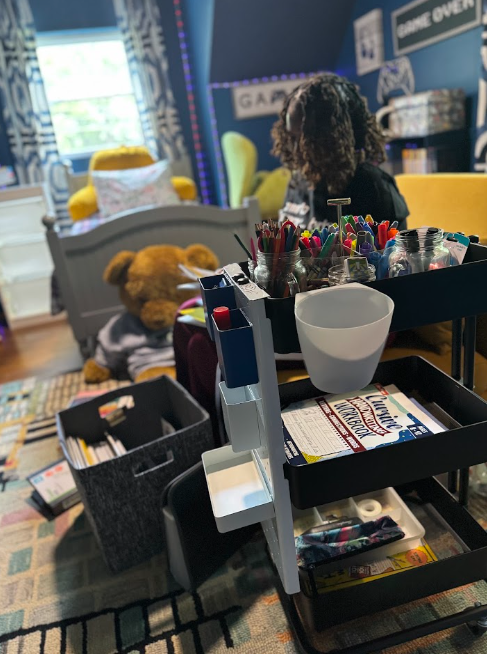
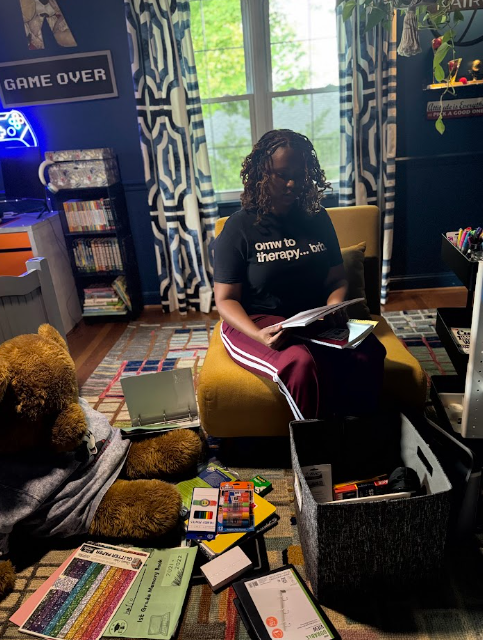
Decluttering first allows you to clearly see what you already own and what you actually need. It can also prevent unnecessary spending which is always a bonus during an already expensive time of year.
2. Create a Landing Zone
If backpacks, shoes, jackets, and school papers tend to migrate throughout your house, establish one designated landing zone. This doesn't require a huge mudroom or custom cabinetry. A few hooks, baskets, bins, or a small console near the entryway can work beautifully.
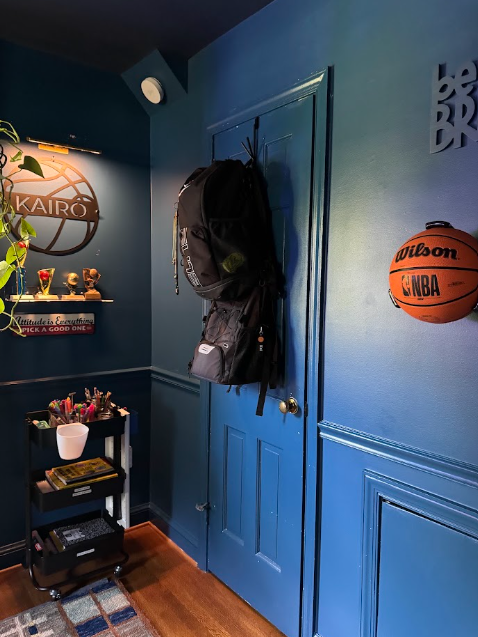
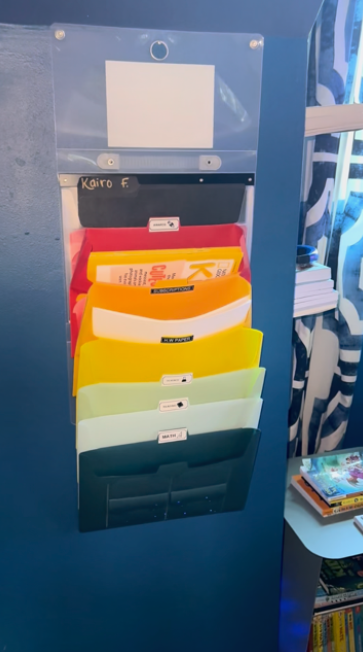
Give each child a designated spot for their backpack and everyday belongings. When they come home from school they’ll know where to put their bag and shoes. That morning rush out the door becomes less frantic because they’ll be able to quickly access their items before dashing out.
Remember, for kids it’s always better to incorporate simple organizing systems, ones that they can reach, remember and get used to. These are often the most effective ones.
3. Create a Homework Station That Works
Not every child needs or has the space in their home for a traditional desk so it’s important to create a simple homework area in their room if space allows it.
Otherwise, a designated area on the kitchen island or dining table works just fine. Younger children may need to be closer to a parent while completing homework for supervision and help. Instead of creating a Pinterest-perfect homework station, think about how your child actually works then organize around that.
Keep frequently used supplies together: pencils, pens, highlighters, scissors, paper, chargers, and other essentials. If homework happens at the kitchen table, consider creating a portable homework caddy that can easily be pulled out and put away.
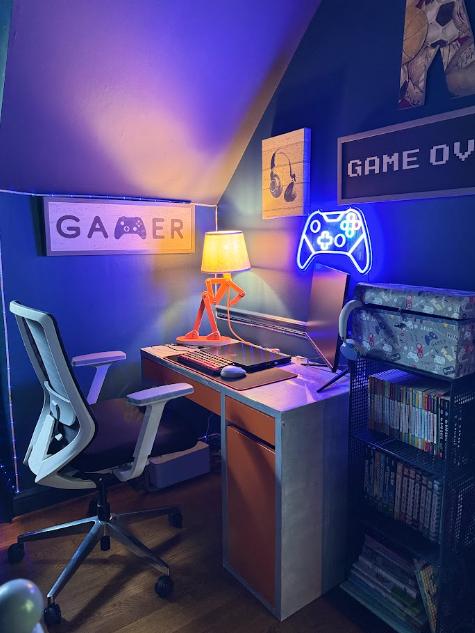
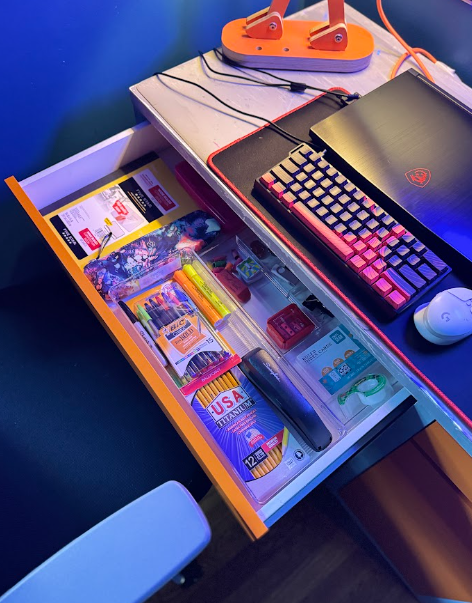
The goal is to remove unnecessary barriers that may keep your child from getting started.
4. Reset Bedrooms for the New Season
Children's bedrooms often times are multifunctional. They're places to sleep, dress, read, play, study, and decompress.
As a mom of 2 and professional organizer, I often recommend making time before school begins to reset the space.
Declutter clothing, books, toys, and miscellaneous items. Make sure frequently used belongings are accessible. Create an easy system for dirty laundry and give your child enough storage to realistically maintain their room. This is also a wonderful opportunity to involve your child.
Ask:
What do you use every day?
What don't you use anymore?
Where would this be easiest for you to put away?
When children participate in creating their systems, they're much more likely to maintain them.
5. Simplify the Kitchen for Busy Mornings
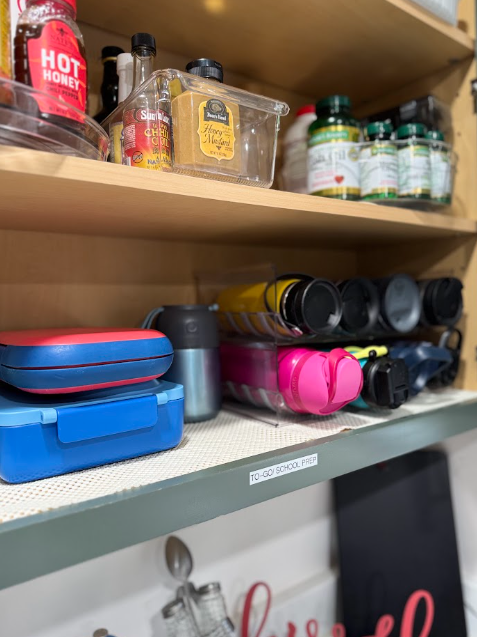
Back-to-school organization isn't limited to children's spaces. The kitchen can make or break a busy morning.
Create easy-to-access breakfast and snack zones. Group lunch making supplies together in the refrigerator and pantry and designate areas of the refrigerator or pantry for grab-and-go foods.
For younger children, place appropriate snacks where they can independently reach them. Designate a prep area in the kitchen, a simple lunch-packing station with close to reach lunchboxes, water bottles, sandwich bags, napkins and any other essentials to help make it easier on you.
Anything that eliminates one more decision during a hectic morning is a win.
6. Do as Much as Possible the Night Before
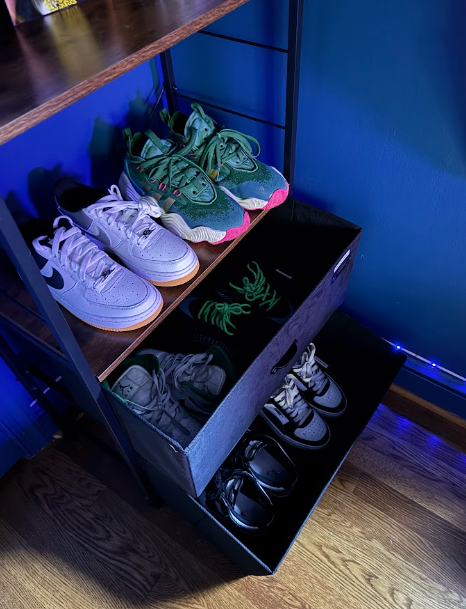
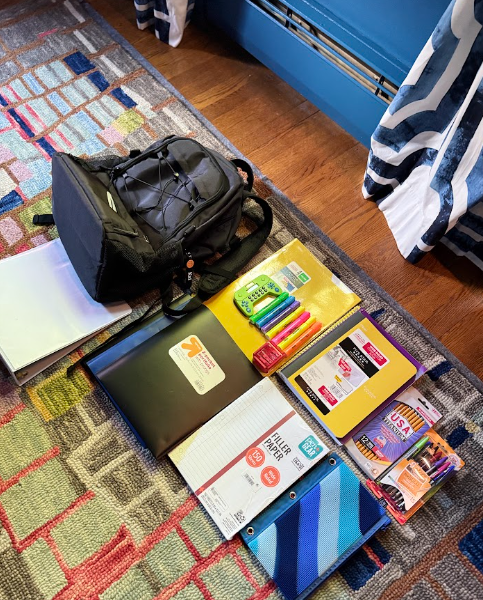
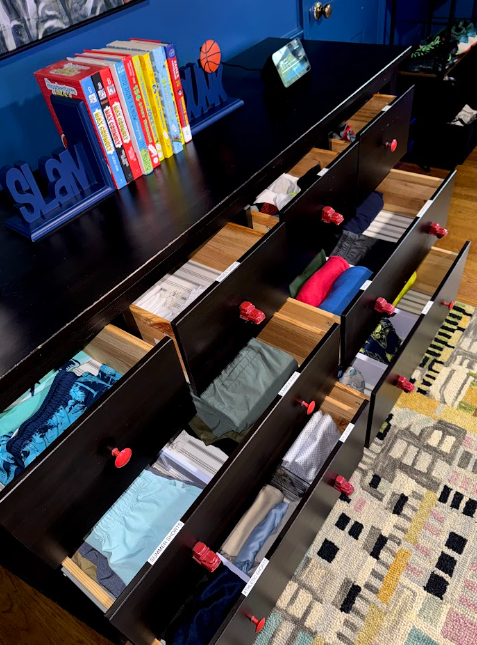
This is one of the simplest back-to-school habits, but it can completely change your mornings.
Pack backpacks.
Charge devices.
Choose clothes.
Prepare lunches or snacks.
Fill water bottles and refrigerate them.
Put sports equipment by the door.
Check the calendar.
Find the shoes…yes the shoes!
Five or ten minutes of preparation the night before can save twenty minutes of chaos in the morning.
7. Create a Family Command Center
With school comes a lot of paperwork and communication, be it digitally or papers our kids bring home in their backpacks. Even in the age of apps and electronic portals, somehow there are still forms, flyers, schedules, invitations, and papers coming through the door.
Create one central zone or what I like to call a “command center” in an area of your home typically by the front door entryway or kitchen designated for school communication and mail coming into the home.
This might include a family calendar, an incoming-paper tray, a folder for school documents, and a place for permission slips or papers that need signatures.
A simple rule can help:
Don't put it down instead immediately put it where it belongs.
8. Build Routines Gradually
As a mom, this is one of the things I find most important. Children require systems, routines and time to transition.
If summer has meant staying up later and sleeping in, suddenly changing everything the night before school begins can make that first week harder than it needs to be.
Begin shifting bedtimes and wake-up times gradually.
Reintroduce morning routines.
Start talking about what school mornings will look like.
Create predictable rhythms around homework, dinner, showers, screen time, and bedtime.
Kids don't need every minute of their day scheduled, but predictable routines can help them understand what comes next and become increasingly independent.
9. Give Kids Ownership of Their Systems
"Organization" shouldn't mean parents constantly putting everything away for their children. The ultimate goal is to teach them how to manage their own belongings and spaces.
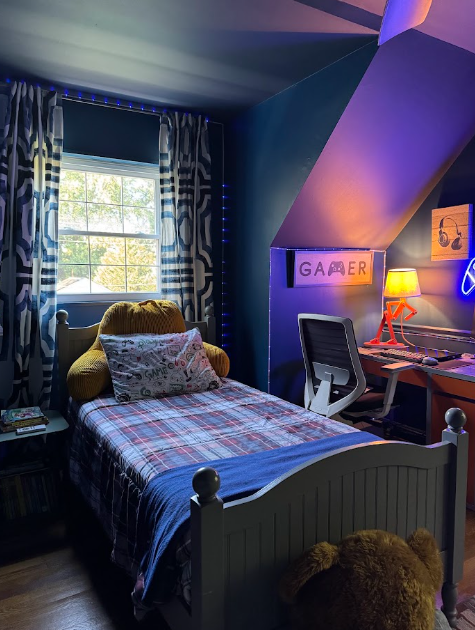
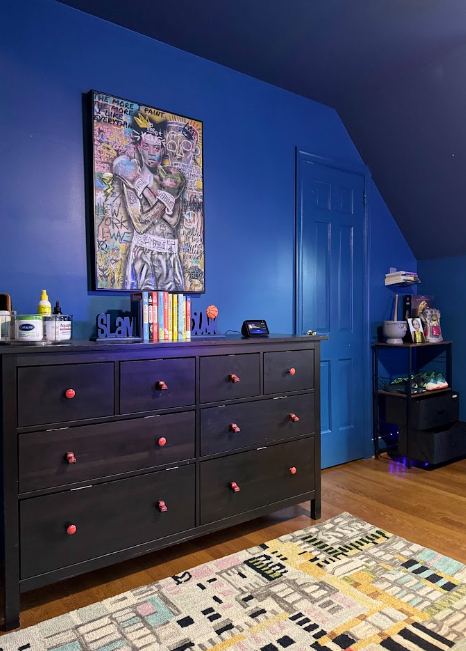
Make systems age-appropriate. For younger children, use simple bins and picture labels. For older children, allow them to decide where certain things should live. For middle and high schoolers, introduce calendars, planners, charging stations, and routines for managing assignments and activities.
And for college students, the systems become even more important because we're no longer there reminding them where everything goes.
The systems we've been helping them practice at home become tools they can take into adulthood.
10. Remember: Systems Should Support Your Family, Not Stress You Out
Your home doesn't need to be perfectly organized for your family to have a successful school year.
There will be backpacks on the floor. There will be rushed mornings. There will be forgotten water bottles, missing homework assignments, and laundry that somehow never quite makes it into the basket.
That's life. Organization isn't about creating perfection.
It's about creating systems that make everyday life easier.
If a system isn't working, change it. If your child consistently drops their backpack in one particular place, perhaps that's where the backpack hook needs to go. If shoes constantly pile up by the door, put a basket there. If homework always happens at the kitchen counter instead of the beautiful desk upstairs, create a homework system in the kitchen.
Organize for the life your family actually lives not the life you see others post on their social media or a Pinterest board.
A New School Year, A Fresh Start
There is something beautifully full circle about helping a young college student organize her first dorm room while simultaneously preparing my own middle schooler for another year of school.
The ages and stages may be different, but the intention is very much the same.
We're helping our children build independence, we are teaching them routines, we are giving them tools to manage their belongings, responsibilities, and eventually their own homes.
Sometimes those lessons begin with something as simple as knowing where to put your backpack when you walk through the door. As we head into another school year, give yourself permission to start small.
Declutter one drawer.
Create one homework caddy.
Organize one closet.
Set up one drop zone.
Establish one new evening routine.
You don't have to reorganize your entire home before the first day of school. Start with the spaces and routines that create the most friction for your family, and build from there. When our homes have simple functional organized systems in place, we spend less time searching, reminding, rushing, and managing clutter and more time focusing on what matters.
That's what restoring harmony at home is all about.
Function. Beauty. Balance.
And hopefully, a slightly easier school year.